

Living with persistent discomfort can affect nearly every part of daily life, from productivity at work to sleep quality and emotional well-being. Pain is rarely a simple, isolated issue. It often develops over time due to a combination of lifestyle habits, physical strain, stress, and underlying conditions. Because of this complexity, understanding relief options requires more than a quick fix or a one-size-fits-all solution. Many people delay care because they are unsure where to start or feel overwhelmed by the number of available treatments. Gaining a clearer picture of how pain develops and how it can be addressed is an important first step toward long-term improvement.
Education plays a major role in making informed care decisions. When individuals understand how different approaches work together, they are better equipped to choose options that align with their needs, goals, and daily responsibilities. Some forms of relief focus on reducing symptoms in the short term, while others aim to improve function and mobility over time. The most effective plans often combine multiple strategies that address both physical and lifestyle factors. By exploring treatment options in a structured way, readers can feel more confident discussing concerns with providers and taking an active role in their recovery process.
Exploring Common Causes of Chronic Pain

Chronic pain often develops gradually, making it difficult to pinpoint a single cause. Repetitive movements, poor posture, previous injuries, and long periods of inactivity can all contribute to ongoing discomfort. Stress and lack of restorative sleep may also play a role by increasing muscle tension and reducing the body’s ability to recover. Over time, these factors can interact, creating cycles of irritation and compensation that make symptoms more persistent. Another important factor is how the body adapts to pain. When discomfort becomes familiar, people may unconsciously change how they move, sit, or stand in an attempt to avoid aggravating symptoms. While these adjustments may provide temporary relief, they can place additional strain on other areas of the body.
From a treatment perspective, identifying causes allows for a more thoughtful approach to pain management. Instead of reacting only when discomfort flares up, care can be structured around prevention and long-term improvement. This may include evaluating daily habits, work environments, and physical limitations that contribute to strain. When these elements are addressed together, individuals are more likely to experience meaningful and lasting relief rather than short-term improvement followed by recurring issues.
Understanding Noninvasive Pain Relief Methods
Noninvasive approaches are often a starting point for individuals seeking relief because they focus on supporting the body’s natural ability to heal. These methods typically emphasize mobility, alignment, and overall function rather than surgical intervention. Many people are drawn to noninvasive care because it often involves fewer risks and shorter recovery periods. Noninvasive methods are most effective when they are part of a consistent routine rather than a single appointment.
One commonly explored option in this category involves working with a chiropractor to address musculoskeletal alignment and movement patterns. This approach focuses on restoring proper joint function and reducing tension that may contribute to discomfort. For many individuals, this type of care fits well into a broader plan that includes exercise, stretching, and lifestyle adjustments. Because it is tailored to individual needs, it can be adapted as symptoms change or improve over time.
The Role of Movement in Pain Recovery
Movement is a foundational component of recovery because the human body is designed to stay active, flexible, and responsive. When pain develops, many people instinctively reduce activity out of fear of making symptoms worse. While rest can be helpful in short periods, prolonged inactivity often leads to stiffness, reduced circulation, and weakened muscles. Over time, these changes can make discomfort feel more intense and limit mobility even further. Reintroducing controlled movement helps counteract these effects by improving joint lubrication, increasing blood flow, and supporting muscle balance throughout the body.
Consistent movement also plays a role in retraining the nervous system. Chronic discomfort can heighten sensitivity, making normal activities feel more painful than they should. Gentle, repetitive motion helps signal safety to the body, allowing muscles to relax and movement patterns to normalize.
In more structured settings, movement-based care may include guided exercises or low-impact environments designed to reduce strain. For example, participating in an aquatic therapy session allows individuals to move more freely while minimizing pressure on joints. The buoyancy of water supports body weight, making it easier to perform movements that may be difficult on land. This approach can be especially helpful for those who experience stiffness or discomfort during traditional exercise.
Manual Therapies and Hands-On Care Options
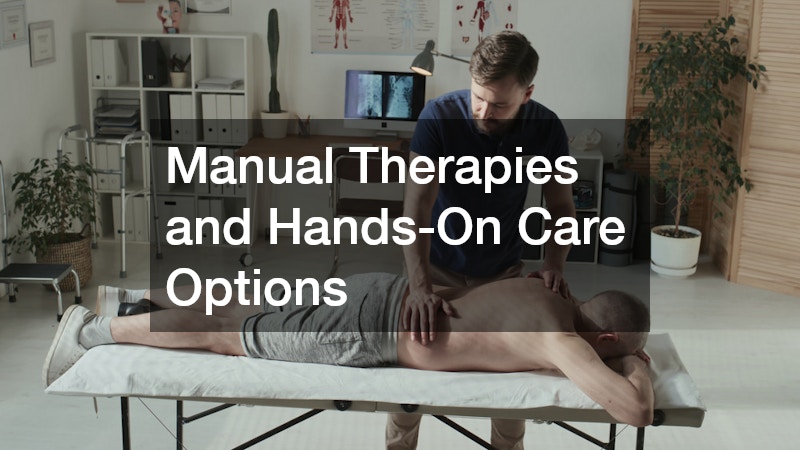
Hands-on care focuses on addressing tension, restricted movement, and soft tissue imbalances that contribute to discomfort. These approaches rely on skilled touch to evaluate how muscles, connective tissue, and joints interact during movement and rest. Many people find manual therapies appealing because they provide immediate feedback through physical sensation, helping them better understand where their body holds stress or compensates for discomfort. Over time, this awareness can encourage healthier movement patterns and posture.
Manual care is often used to complement other treatment methods rather than replace them. When muscles are tight or overworked, they can limit the effectiveness of exercise or movement-based recovery. Hands-on techniques help prepare the body by reducing resistance and improving circulation. This can make it easier to participate fully in stretching, strengthening, or rehabilitation programs. In addition, manual approaches may support relaxation, which can be especially beneficial for individuals whose discomfort is influenced by stress or prolonged tension.
Working with a massage therapist is one example of how hands-on care fits into a broader recovery plan. This type of care targets soft tissue to improve flexibility, reduce muscle guarding, and promote circulation. Sessions are often tailored to individual comfort levels and goals, whether that involves addressing localized tension or supporting overall relaxation. When used consistently and in coordination with other strategies, manual therapies can play a valuable role in improving comfort, mobility, and overall quality of life.
Medical Support in Comprehensive Pain Care
Medical support is an important component of a well-rounded approach to addressing discomfort, particularly when symptoms interfere with daily activities. This type of care often focuses on symptom control, while other therapies work on long-term improvement. By managing discomfort effectively, individuals may find it easier to stay active, sleep better, and participate more fully in rehabilitation efforts. Medical guidance also helps ensure that symptoms are properly evaluated and monitored over time.
Accessing medical resources through a pharmacy can be an important part of this process. Pharmacists often provide guidance on proper use, potential interactions, and expectations related to prescribed or over-the-counter options. This support helps individuals use medications safely and effectively as part of a broader care plan. When combined with other treatment strategies, medical support can contribute to more balanced and sustainable outcomes, allowing individuals to focus on recovery rather than constant symptom management.
Rehabilitative Approaches for Long-Term Relief
Rehabilitation focuses on restoring function, strength, and stability over time rather than simply reducing discomfort in the moment. These approaches are especially valuable for individuals whose symptoms have persisted despite rest or short-term interventions. Rehabilitation emphasizes consistency and progression, recognizing that meaningful improvement often occurs gradually. By addressing muscle imbalances, joint restrictions, and movement inefficiencies, rehabilitative care supports the body’s ability to handle daily demands with less strain.
No two people experience pain in the same way, even when symptoms appear similar. Factors such as age, activity level, work demands, and previous injuries all influence recovery. Rehabilitative programs often adapt as progress is made, increasing or modifying activities to match improvements in strength and mobility.
In some cases, rehabilitative plans may include specialized techniques designed to reduce pressure on affected areas. One example is spinal decompression, which focuses on gently relieving stress within the spine to support nerve function and mobility. This approach is often integrated into a broader plan that includes movement, posture awareness, and strength-building activities. When combined thoughtfully, rehabilitative strategies can help individuals transition from symptom-focused care to long-term resilience, making it easier to maintain progress and reduce the likelihood of recurring issues.
Integrating Multiple Treatments for Better Outcomes

Pain relief is often most effective when multiple approaches are combined into a coordinated plan. Rather than relying on a single method, integrated care acknowledges that discomfort can stem from physical, environmental, and lifestyle-related factors. Combining different treatments allows each method to address a specific aspect of the issue, creating a more balanced and comprehensive strategy. This approach also offers flexibility, allowing care to evolve as symptoms change or improve.
Some people explore supportive services through a med spa as part of a broader wellness-focused plan. These services are often designed to complement traditional care by emphasizing recovery, relaxation, and overall well-being. When used appropriately, they can support stress reduction and physical comfort, making it easier to stay consistent with other therapies. By viewing pain relief as a multifaceted process rather than a single solution, integrated care helps individuals build sustainable habits that support both recovery and long-term health.
Choosing the Right Pain Management Plan
Selecting an effective plan requires careful consideration of symptoms, lifestyle, and personal goals. Pain can affect people differently depending on their daily responsibilities, activity levels, and overall health. A plan that works well for one person may not be suitable for another. Taking time to understand options and ask informed questions helps individuals feel more confident in their decisions and more engaged in their care. This sense of ownership often plays a role in long-term success.
For individuals experiencing low back pain, choosing the right approach may involve combining education, movement, and supportive care. Because this area of the body plays a central role in nearly every activity, even small improvements can have a noticeable impact on quality of life. A well-structured plan helps individuals recognize progress, adjust expectations, and remain patient throughout the process. By focusing on both short-term needs and long-term goals, people can move forward with a strategy that supports lasting comfort and improved function.
When to Seek Professional Pain Care
Recognizing when discomfort requires professional attention can be challenging, especially when symptoms fluctuate or develop gradually. Many people attempt to manage pain on their own through rest, over-the-counter solutions, or activity modification. While these strategies may help temporarily, ongoing or worsening symptoms can signal that a deeper issue is present. Pain that interferes with daily tasks, limits mobility, or affects sleep is often an indication that additional support may be needed. Seeking care earlier rather than later can help prevent minor issues from becoming more complex and harder to resolve.
This is especially true for those exploring knee pain treatments, as knee discomfort can stem from a wide range of causes, including overuse, alignment issues, or previous injuries. Because the knee plays a critical role in walking, standing, and lifting, unresolved issues can affect overall mobility. Professional care helps clarify the source of discomfort and determine which approaches are most appropriate. By addressing symptoms proactively, individuals are better positioned to maintain activity levels and prevent further strain on surrounding joints and tissues.
Setting Realistic Expectations for Pain Recovery

Recovery from persistent discomfort is rarely a linear process. Improvements often occur gradually, with periods of progress followed by plateaus or temporary setbacks. Understanding this pattern can help individuals stay motivated and patient throughout their care journey. Unrealistic expectations may lead to frustration or early discontinuation of helpful strategies. Setting achievable goals and focusing on functional improvements, such as increased mobility or reduced stiffness, can provide a clearer sense of progress over time.
For individuals navigating care through workplace resources, understanding healthcare benefits for employees can support realistic planning. Access to covered services, wellness programs, or preventive care options may influence how and when treatment is pursued. Being aware of available resources helps individuals make informed decisions without unnecessary stress. When expectations align with available support and the natural pace of recovery, people are more likely to stay engaged and experience sustainable improvements in comfort and function.
An effective approach to relief often blends education, movement, therapeutic care, and medical support in a way that aligns with individual needs. Progress may take time, but even gradual improvements can significantly enhance the quality of life. Staying engaged, asking questions, and adjusting plans as needed are all part of the process. Rather than searching for a single solution, viewing pain relief as an ongoing journey encourages patience and resilience.